Can You Finance a Major Renovation in Idaho With a Construction Loan?
Yes — but a new kitchen is not the same as moving walls, adding space, or rebuilding a dated home. Here is how Idaho renovation financing works, what the appraisal looks at, and what to settle before work starts.
In This Guide
- 1.When a Renovation Needs More Than a HELOC
- 2.How the Appraisal Works on a Major Remodel
- 3.What Counts as a Major Renovation
- 4.Four Renovation Paths: Match the Program to the Scope
- 5.Draws, Deposits, and the Cash-Flow Question
- 6.Idaho Timing, Permits, and Real Costs
- 7.How to Decide if Renovation Financing Fits
When a Renovation Needs More Than a HELOC
Paint, flooring, and modest fixtures usually do not need a construction-style loan. The conversation changes with structural work, an addition, a full kitchen-and-bath gut, a basement conversion, or a home that must be rebuilt before it is livable. A dated house in Boise's North End, Coeur d'Alene, or Meridian can be a fit — but the right path depends on scope, budget, timeline, and the completed value. Our renovation-financing program helps sort that out before you commit.
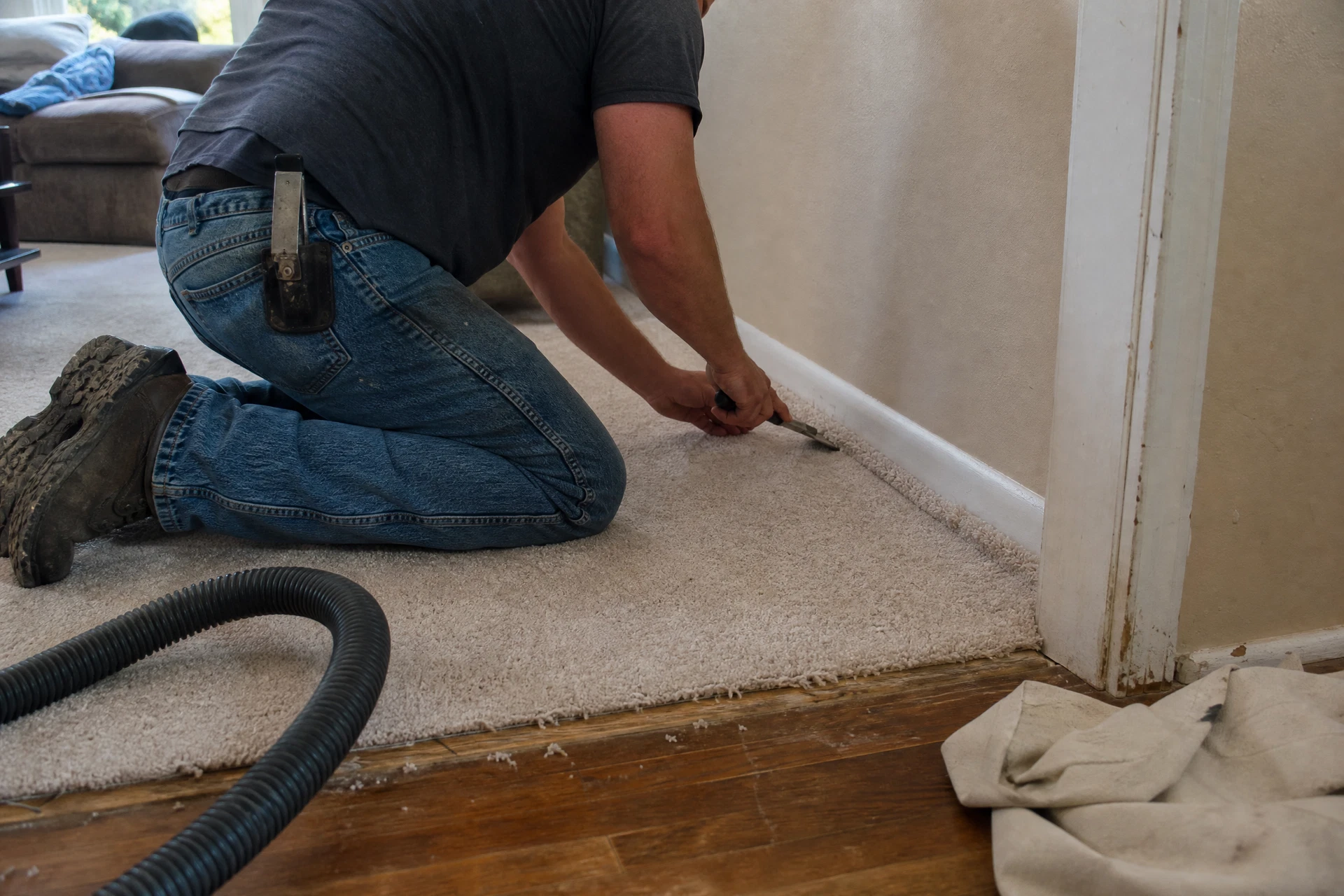
How the Appraisal Works on a Major Remodel
The key difference is the appraisal. Instead of looking only at what the home is worth today, the lender can use an as-completed appraisal based on the plans, specifications, and approved scope. That is why a borrower in this renovation-appraisal discussion is asking the right question: will the finished value support the project? The answer depends on the local market, not on how much you want to spend. A $90,000 renovation does not automatically add $90,000 of value. The appraiser still looks at comparable finished homes, the neighborhood, square footage, layout, quality, and whether the improvement makes sense for that location.
- Build the scope before the appraisal: Plans, contractor bids, specifications, and a line-item budget tell the appraiser what the completed home is supposed to be.
- Spend for the market you are in: A well-designed kitchen or addition can support value; over-improving far beyond nearby finished homes can leave a gap.
- Keep every record: If you self-fund design, demolition, engineering, or early site work, retain contracts, permits, invoices, receipts, proof of payment, and photos. Cost records help explain the project but do not guarantee dollar-for-dollar appraised value.
What Counts as a Major Renovation
A cosmetic project is usually about finishes. A major renovation changes the structure, systems, layout, livability, or usable area of the home. The line matters because major work needs a more complete budget, plans, permits, contractor coordination, inspections, and a realistic draw schedule. In Boise, the city maintains dedicated permit paths for residential additions and alterations, plumbing, mechanical, electrical, demolition, rough grading, roofing, siding, and windows. In Meridian, Building Services handles plan review, permits, and field inspections for structural, electrical, mechanical, plumbing, foundation, and remodel work. The right question is not simply, 'Do I need a permit?' It is, 'What will the city or county need before my builder can start, and how does that fit the loan timeline?'
Four Renovation Paths: Match the Program to the Scope
The mistake is treating every remodel as the same loan. Our platform has four distinct paths. For paint, carpet, and other small updates, unsecured financing is available up to $12,000. For a larger but contained project within conforming space, CHOICEReno eXPress can fit when financed renovation costs do not exceed 10% of property value and work can be completed within 150 days. For deeper conforming renovation work, CHOICERenovation can allow financed renovation costs up to 75% of property value with up to 420 days to complete the work. Both are Freddie Mac (FHLMC) programs and are capped at conforming loan limits. If the scope includes an ADU, major gut remodel, or substantial addition, a construction-to-permanent loan is the better path because the project needs a build-level budget, schedule, draw plan, and appraisal.
Draws, Deposits, and the Cash-Flow Question
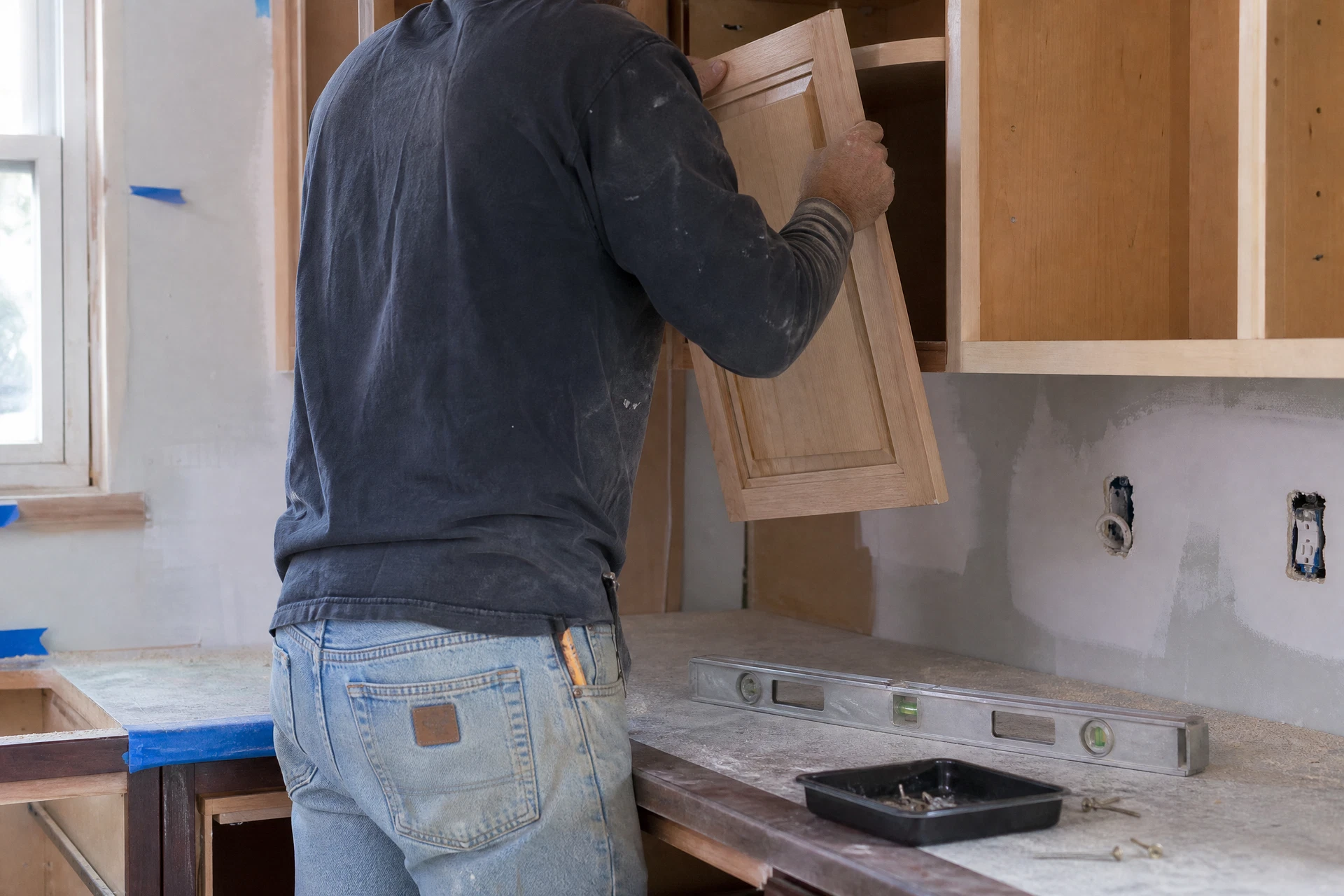
Renovation funds do not simply arrive as a lump sum because the budget exists. The work is typically funded in stages as approved work is completed and documented. That protects the borrower and lender, but it creates a practical question: how does the contractor handle deposits, materials, or early work? Homeowners ask the same thing in r/Homebuilding: who covers a cost before the draw is available? Get the answer before signing a contract. Ask the lender what documentation is required, ask the contractor which milestones trigger payment, and make sure the line-item budget matches the actual work sequence. Do not casually start demolition, framing, or a structural repair before the loan structure is settled. Early self-funded work can complicate the appraisal, documentation, and draw process if it is not planned correctly.
Idaho Timing, Permits, and Real Costs
Major renovations are local projects. A North End Boise remodel may uncover older plumbing, wiring, plaster, lead paint, or asbestos. A newer Eagle or Meridian home may be more predictable, but an addition, wall removal, or system relocation can still need plan review. Boise-area guidance places typical 2026 kitchen projects around $25,000 to $150,000, bathrooms around $15,000 to $75,000, and whole-home renovations around $75,000 to $300,000 or more. These are planning ranges, not bids. In mountain and rural areas, travel, weather, septic or well work, and trade availability can change the number.
How to Decide if Renovation Financing Fits
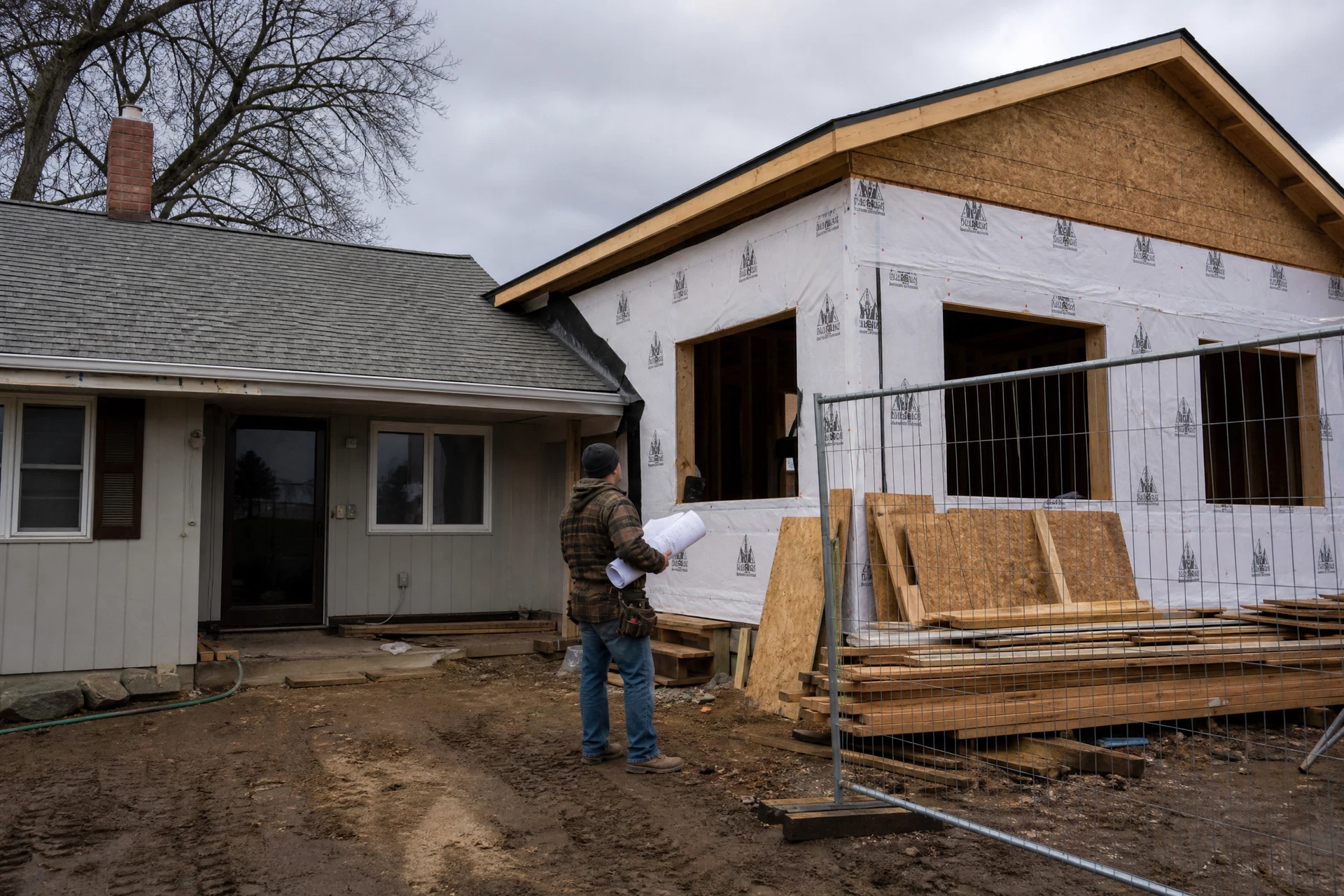
Renovation financing is strongest when the property and project belong together: you found the right location but the home needs work, or you want to keep a home you already own. The best files have a clear contractor scope, appraisable finished design, realistic documentation, and a borrower who understands the timeline. If you are weighing an unsecured update, a CHOICEReno path, or a construction-to-permanent loan, Text Matt before you sign a remodel contract. You can also start with BorrowBuyBuild.com.
Frequently Asked Questions
Building in Arizona?
We serve Arizona too — same programs, same specialist.
Single-close construction loans, 5% down, up to $3M. Phoenix, Scottsdale, Tucson, Flagstaff, and beyond.
Continue Reading
Related Articles
Construction Finance
Construction Loan Draw Schedule Explained (Idaho)
Builder Contracts
Fixed Price vs Cost-Plus Contract for Idaho Custom Homes
Construction Loan Basics
Why Your Construction Loan Appraisal Is Based on a Home That Doesn't Exist Yet
Construction Loan Basics